
How to Plan a 6-Month Music Growth Strategy
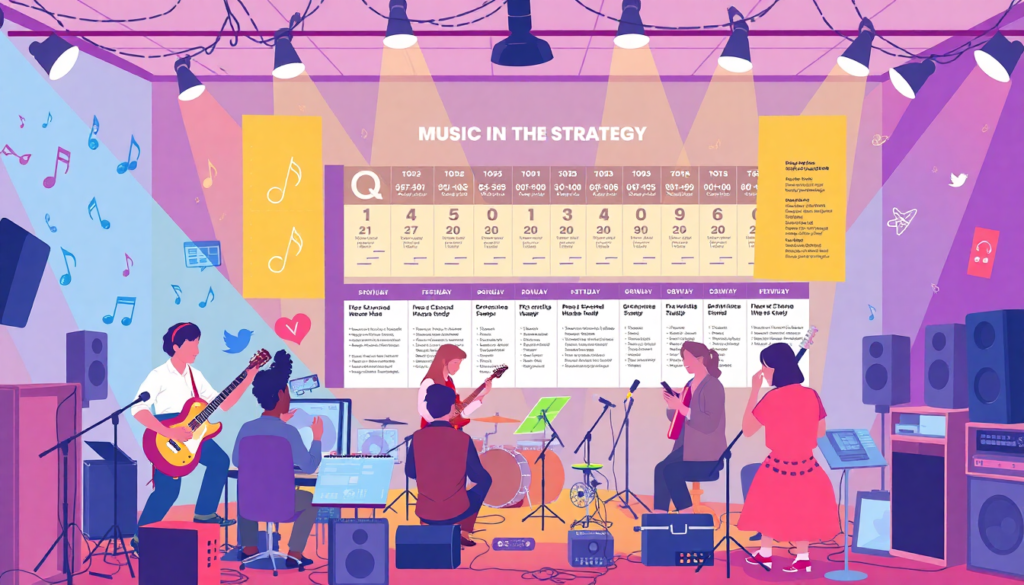
In today’s fast-paced digital world, developing a successful music career requires careful planning and execution. Whether you’re an aspiring artist or an established musician looking to expand your audience, a structured six-month growth strategy is essential. This blog will guide you through the steps to create a comprehensive music growth plan that can amplify your reach and strengthen your brand.
Understanding Your Current Position
Before setting your growth goals, it’s crucial to assess where you currently stand in your music career. Consider the following:
- Brand Identity: What message does your music convey? How do you want to be perceived?
- Current Audience: Who are your listeners? What is their demographic?
- Social Media Presence: How many followers do you have? What platforms do you use?
- Music Releases: What is your release schedule? How often do you produce new music?
- Engagement Level: How do you currently interact with your fans? Are you responding to comments, sharing content, etc.?
Setting Your Goals
After evaluating your current position, the next step is to set achievable and measurable goals for the next six months. Consider using the SMART criteria (Specific, Measurable, Achievable, Relevant, Time-bound) for better clarity.
Examples of SMART Goals
- Increase Followers: Grow your Instagram following by 30% by the end of six months.
- Release New Music: Release two new singles and one EP by the end of the period.
- Engagement Rate: Raise your average engagement rate to 5% across all platforms.
- Live Performances: Secure at least five live performances in different venues.
Developing a Content Strategy
Content is king in the music industry, and having a robust content strategy ensures consistent engagement with your audience.
Types of Content to Create
- Music Releases: Plan your song releases; consider seasonal or thematic releases.
- Behind-the-Scenes Content: Share videos or photos of your creative process.
- Interviews: Conduct interviews with other artists or share your own story.
- Live Streams: Frequently hold live sessions to engage with fans in real time.
- Social Media Posts: Create engaging graphics, polls, and stories to keep your audience informed.
Utilizing Social Media Effectively
Social media platforms are indispensable tools for any musician. Each platform has its unique advantages:
Choosing the Right Platforms
- Instagram: Best for visual content; focus on aesthetic profiles and stories.
- Facebook: Good for building community through groups and events.
- Twitter: Useful for real-time updates and engaging with fans directly.
- YouTube: Perfect for video content, music videos, and vlogs.
- TikTok: Ideal for viral challenges, snippets, and engaging short-form content.
Networking and Collaboration
Building relationships with other artists, producers, and industry professionals can open new doors for growth. Here’s how to effectively network:
Ways to Network
- Attend Workshops: Join music workshops and seminars to meet like-minded individuals.
- Collaborate: Work with other artists to tap into their audience.
- Use Platforms: Platforms like LinkedIn can help you connect professionally.
- Social Media: Engage and support other artists on social platforms.
Budgeting for Growth
An effective music growth strategy requires a financial plan. Consider the following areas in your budget:
- Marketing: Allocate funds for online ads, promotional services, and branding.
- Production: Budget for studio time, mixing, and mastering your music.
- Merchandise: Create merchandise to foster community and generate income.
- Touring: Include costs for travel, accommodation, and logistics related to live shows.
Review and Adjust Strategy
Regularly review your progress against the goals you set at the start of the six months. Analyze:
- Successes: Which strategies worked well, and why?
- Challenges: What didn’t work, and how can you improve?
- Feedback: Listen to your audience’s feedback and adjust accordingly.
Conclusion
Planning a six-month music growth strategy is a dynamic process that requires ongoing adaptation and assessment. By understanding your starting point, setting clear goals, developing content, engaging on social media, networking with others, budgeting wisely, and continually reviewing your strategy, you can significantly enhance your visibility and reach in the music industry. Remember, staying dedicated and true to your artistry is the key to sustainable growth.